  • INT
  • DE
  • FR
  • IT
  • NL

User account menu

  • Log in
Home
  • Magazine
    • All issues
    • Glossary
  • Blog
    • All blog posts
  • Book Reviews
    • Book Reviews
  • Submit to In-Mind
    • Articles
    • Blog posts
  • About In-Mind
    • Team
    • What is In-Mind?
    • Credits

Psychology for You!

  • Magazine Issue
    08/2026 - SpeciaI issue on artificial intelligence

    Understanding the mind-AI connection – how cognitive abilities shape AI use

    • written by
    • Magnus Liebherr,
    • Eva Gößwein
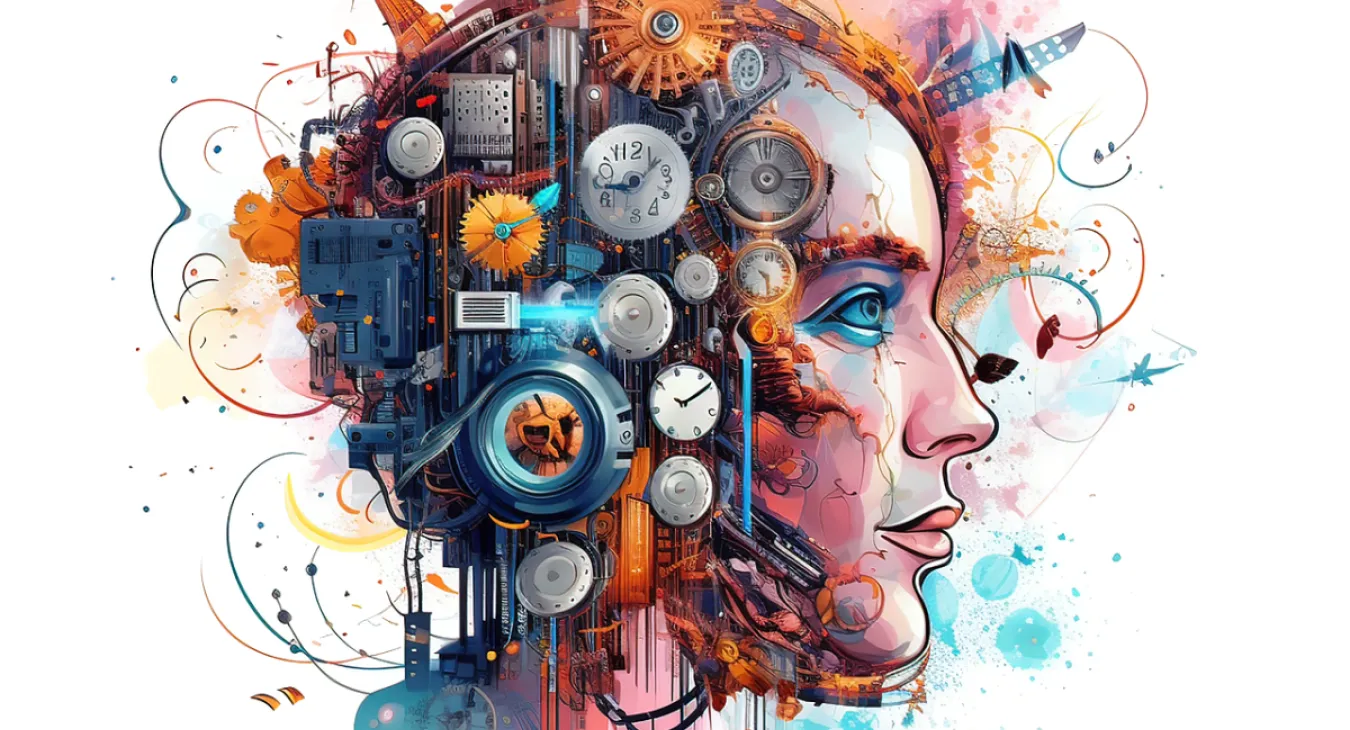
    The impact of Artificial Intelligence (AI) is closely tied to human cognitive abilities – mental processes that determine how we interpret, evaluate, and respond to AI-generated information. Understanding this interplay is essential for designing AI systems that align with human cognition, enhancing user engagement while reducing risks such as automation bias (the tendency to overtrust AI outputs) and cognitive overload (the state in which information exceeds mental capacity). In this article, we introduce the concepts of working memory, cognitive flexibility, and attention and explore how they shape the way we interact with AI. We illustrate how these cognitive functions influence...
    Read more
    • Log in to post comments

  • Human oversight
    Magazine Issue
    08/2026 - SpeciaI issue on artificial intelligence

    Human oversight of AI: An effective remedy for AI risks or a way to induce unwarranted trust in AI?

    • written by
    • Markus Langer,
    • Kevin Baum,
    • Johann Laux
    When AI determines medical treatments or prison sentences, we may find comfort in the idea of a “human touch” in decisions, for instance, in the form of human oversight mandated in AI regulation. But does human oversight add something meaningful or does it merely serve to convince us to trust AI?
    Read more
    • Log in to post comments
  • Digital price tags
    Magazine Issue
    08/2026 - SpeciaI issue on artificial intelligence

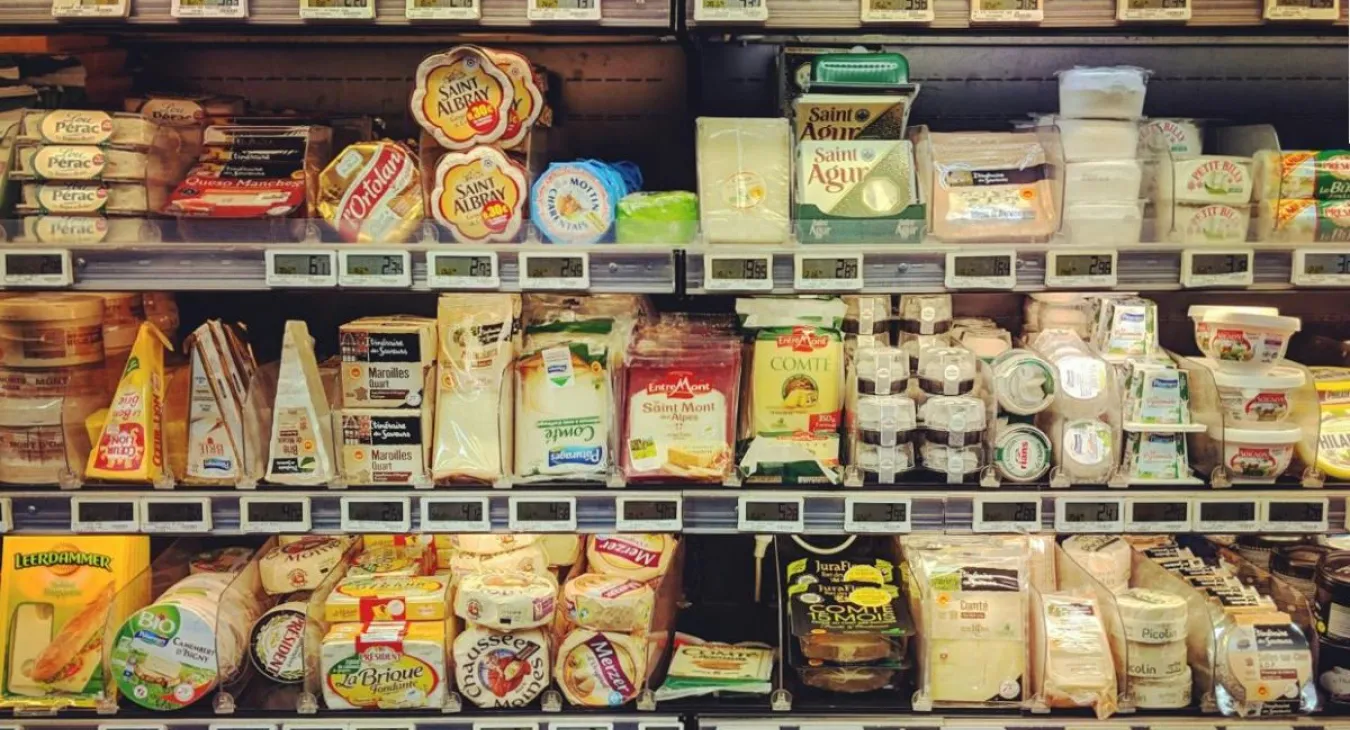
    How artificial intelligence in supermarkets influences customer experiences

    • written by
    • Sophia Wingen,
    • Laura Schenk
    A supermarket with prices that can change at any time and fully automated checkouts is no longer fiction but a reality enabled by artificial intelligence. This raises important questions about the consequences for consumers. Besides greater convenience, efficiency, and a personalized shopping experience, AI-driven supermarkets may reduce price and payment transparency and create a less comfortable atmosphere for consumers. This article explores the use of AI in supermarkets from a psychological perspective.
    Read more
    • Log in to post comments

  • AI-generated content may reflect gender stereotypes
    Magazine Issue
    08/2026 - SpeciaI issue on artificial intelligence

    Blaming the biased bot? Gender bias in AI-generated content

    • written by
    • Alexandra Wölfle
    With the growing popularity and increasing capabilities of generative AI, more and more attention is also drawn to AI model biases, in particular, gender biases. But what exactly does bias mean in this context, how should it be addressed, and what role do humans play in all this?
    Read more
    • Log in to post comments
  • Magazine Issue 08/2026 - SpeciaI issue on artificial intelligence

    Understanding the mind-AI connection – how cognitive abilities shape AI use

    written by: Magnus Liebherr, Eva Gößwein
  • Magazine Issue 08/2026 - SpeciaI issue on artificial intelligence

    Human oversight of AI: An effective remedy for AI risks or a way to induce unwarranted trust in AI?

    written by: Markus Langer, Kevin Baum, Johann Laux
  • Magazine Issue 08/2026 - SpeciaI issue on artificial intelligence

    How artificial intelligence in supermarkets influences customer experiences

    written by: Sophia Wingen, Laura Schenk
  • Magazine Issue 08/2026 - SpeciaI issue on artificial intelligence

    Blaming the biased bot? Gender bias in AI-generated content

    written by: Alexandra Wölfle
  • Magazine Issue 11/2020

    How "The Good Place" illustrates an unorthodox theory in moral psychology

    written by: Alan Jern
    On The Good Place, people are judged on the morality of virtually everything they do. This might seem unfair, but what really counts as moral and non-moral? Evidence from psychology... more
  • Magazine Issue 01/2020

    Can we believe in our own lies?

    written by: Fabiana Battista, Ivan Mangiulli, Antonietta Curci, Paul Riesthuis, Henry Otgaar
    Can we believe in our own lies? Such a question eventually boils down to the issue of whether lying affects memory . ­­­­­­­This is particularly relevant in the legal arena... more
  • Magazine Issue 01/2020

    Are you Instagram-official? - Love, social media, and their impact on each other

    written by: Lili Fejes-Vékássy, Adrienn Ujhelyi
    Have you ever thought about the criteria used for being recognized as an official couple on social media ? Maybe you felt annoyed when your partner’s new profile picture had... more
  • Magazine Issue 12/2019

    To which gender’s disadvantage are school grades biased – girls or boys?

    written by: Carolin Schuster
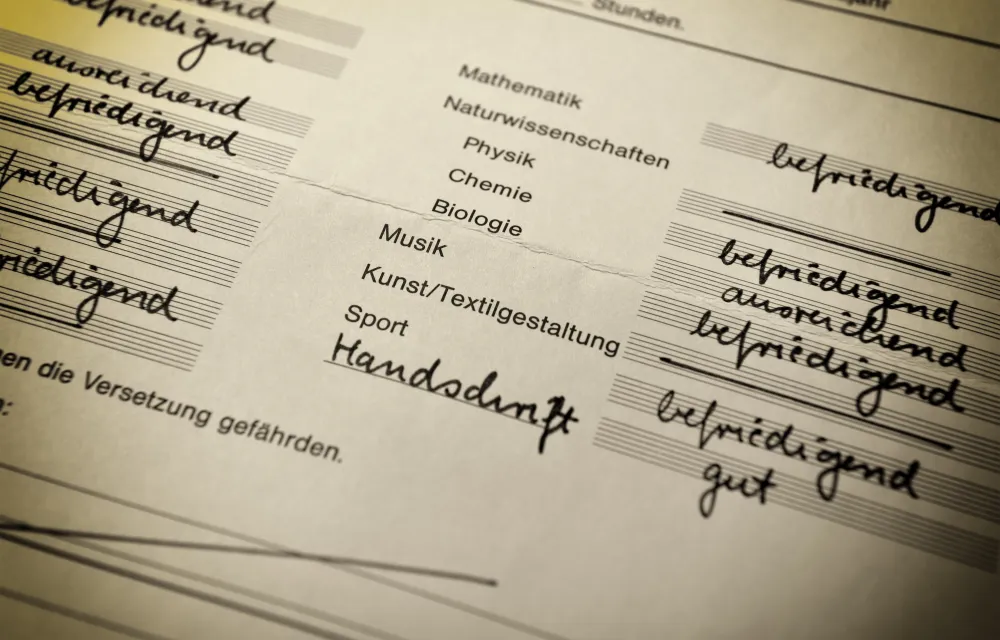
    School grades do not only provide students with feedback on their current performance, they also determine the chances of admission to universities and the success of job applications. The question... more
  • Magazine Issue 12/2019

    What career should I choose? How self-stereotyping can influence career decisions

    written by: Tanja Hentschel, Lisa Horvath
    Stereotypical self-characterizations of women and men can result in different career decisions – contributing to the continuing gender imbalance in leadership and many career fields. We explain how stereotypical self-characterizations... more
  • Magazine Issue 12/2019

    Just a compliment? Why positive gender stereotypes can be more harmful than they seem

    written by: Lea Hartwich, Julia C. Becker
    Most people would probably agree that “women can’t drive” is a sexist statement. But what about saying that “women are nurturing”? Isn’t that just a nice compliment? At first glance... more
  • Load More Issues

In-Mind Blog

  • 18.08.2014 | Meaning Making

    Blame. What is it good for?

    written by: Andrew Monroe
    Is blame for retribution and revenge? Or is blame for managing others’ behavior? I argue that while the former answer is dominant in social psychology, it predicts a dysfunctional system of blame that explains only a small portion of why people blame. Instead, I suggest that blame is better understood as a tool for changing the way people behave. more
  • 28.07.2014 | Violence & Aggression

    Foul-weather friends: Social psychology and school aggression

    written by: Sian Jones
    In my last post, I discussed a striking observational study why peer only help infrequently, but I focused my discussion on the point of view of those who are bullying. In this post, I'll look at the perspective of the bullied victims. When it comes to the social psychology of aggression in schools, it seems that groups can both be a part of the problem and the solution, and I will discuss ways on how to attain this. more
  • 14.07.2014 | Culture

    Smile! And I tell you where you’re from

    written by: Marieke van Egmond
    Although popular belief (and a heartwarming children’s song) holds that we all laugh in the same language, recent research has found that people are remarkably adapt at detecting local accents in the way that emotions are expressed. In this blog, I will review the research that suggests that the long-assumed universality of emotions is limited. more
  • 09.07.2014 | Happiness & Well-being

    Smartphones: A threat to well-being?

    written by: Alina Feinholdt
    Nowadays, smartphones appear to play an inevitable role both in our work and private life. However, when it comes to work-related use, smartphones can hamper recovery and thus, pose a threat to our well-being. In this blog-post, I review recent studies on how and when potential side-effects may occur. more
  • 05.07.2014 | Violence & Aggression

    Why Are We Still Spanking Our Kids?

    written by: Kathryn Bartlett Anderson, Donald Lucas
    In this blog post we discuss legal, attitudinal and motivational factors that explain why we use physical punishment with children, specifically: (1) the United States, unlike most other countries, does not legislate against it, (2) attitudes condoning corporal punishment remain strong, particularly in some U.S. regions and cultures, (3) situational precipitating factors, impulsive appraisal, and cognitive scripts for aggressive punishment can interact to result in a spanking episode. more
  • 26.06.2014 | Happiness & Well-being

    From candidate genes to genome-wide association studies

    written by: Marcus Munafo
    In my last post I asked where the genes for psychological traits are, and argued that over the last two decades candidate gene studies have failed to identify genes that are reliably associated with complex behavioral phenotypes. In this post, I will discuss more recent whole genome methods, such as genome-wide association studies, and what we have learned from these. more
  • Load more blog posts

Book Reviews

Buried Secrets: Rememberance of Things Past, a Review by Christopher Perez

reviewed by: Christopher Perez

The Coddling of the American Mind, reviewed by Dylan Selterman

reviewed by: Dylan Selterman

My Year of Rest and Relaxation, reviewed by Andrew Archer

reviewed by: Andrew Archer

The Hope Circuit, Reviewed by Joe Smith

reviewed by: Joe Smith

Social Psychology: Revisiting the Classics (2nd Edition)

reviewed by: Richard Skaff

Most Read

  • Magazine Issue 05/2024

    Climate stress in everyday life: How can we support children?

    written by: Julia Asbrand, Felix Peter, Claudia Calvano, Lea Dohm
  • Magazine Issue 09/2018

    The Effect of Acute Stress on Memory: How It Helps and How It Hurts

    written by: Carey Marr, Melanie Sauerland, Henry Otgaar, Conny Quaedflieg, Lorraine Hope
  • Magazine Issue 03/2015

    A Perfect Storm: The Record of a Revolution

    written by: Eric-Jan Wagenmakers
  • Magazine Issue 07/2007

    Why We Are Still Social

    written by: Linnda Caporael
  • Magazine Issue 10/2010

    Positive Psychology and the Importance of Close Relationships in TV Sitcoms: That 70s Show, Entourage, and How I Met Your Mother

    written by: Dylan Selterman

The Inquisitive Mind Magazine is supported by:

  • DGPs
  • C-SEB

Menu

  • Magazine
  • Blog
  • Book Reviews
  • Submit to In-Mind
  • About In-Mind
  • facebook
  • twitter
  • instagram
  • print
  • RSS Feed

About Us

In-Mind is a voluntary science communication project. We enable scientifically working psychologists to present their research topics in a scientifically sound, understandable and entertaining way for an interested audience: Psychology by scientists for everyone....more

Footer menu

  • Imprint
  • Data Protection
Clear keys input element